

The Conception, the Crucifixion and Deposition of the Lord
The 12 Gospels read on Maundy Thursday evening and the 5 on Good Friday morning we are presented with the dramatic events from all the Evangelists.
This is how we experience betrayal and capture, interrogation and humiliation, the death sentence by the High Priests and Pilate, Peter's denial and repentance, the path to Calvary, the Crucifixion, the Death, the Demobilization, the burial and sealing of the monument.
According to the Gospel passages, Jesus was crucified on 9 in the morning. His torment lasted 6 hours, until, at 3 at noon, gave up the spirit saying "it is done".
At sunset, Joseph of Arimathea and Nicodemus - both hidden disciples of Jesus- they immobilize the Body, they flavor it, they wrap it in a clean sheet, they bury it in a new grave and seal it with a large stone.
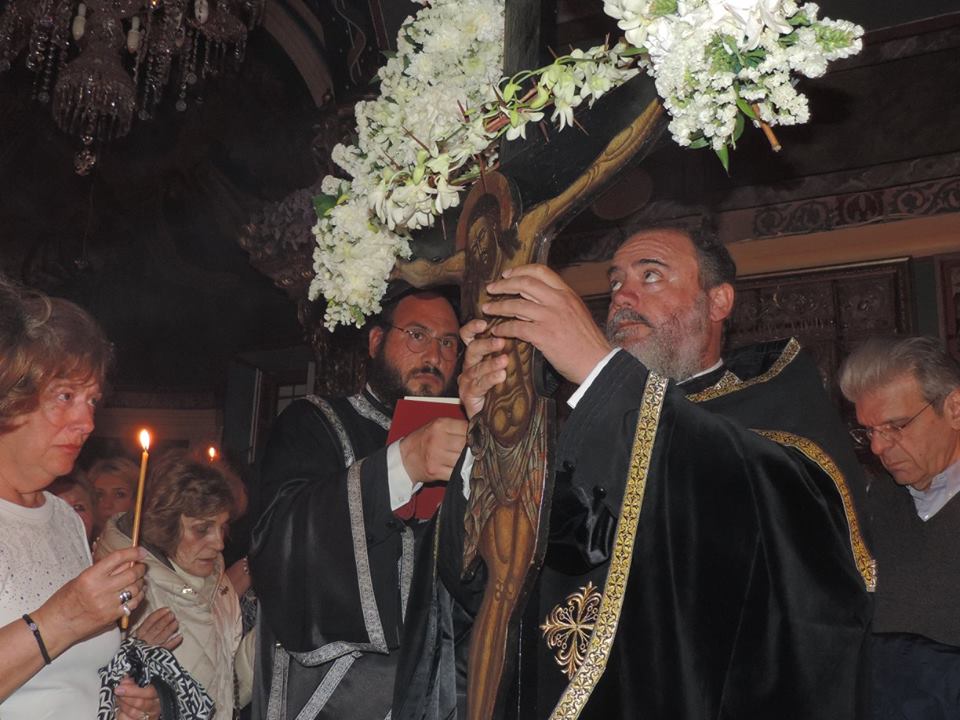
On Good Friday morning, the Hours are read in place of the Divine Liturgy, and at noon the Unfixing takes place.
Decoration, circumambulation and return of the Epitaph
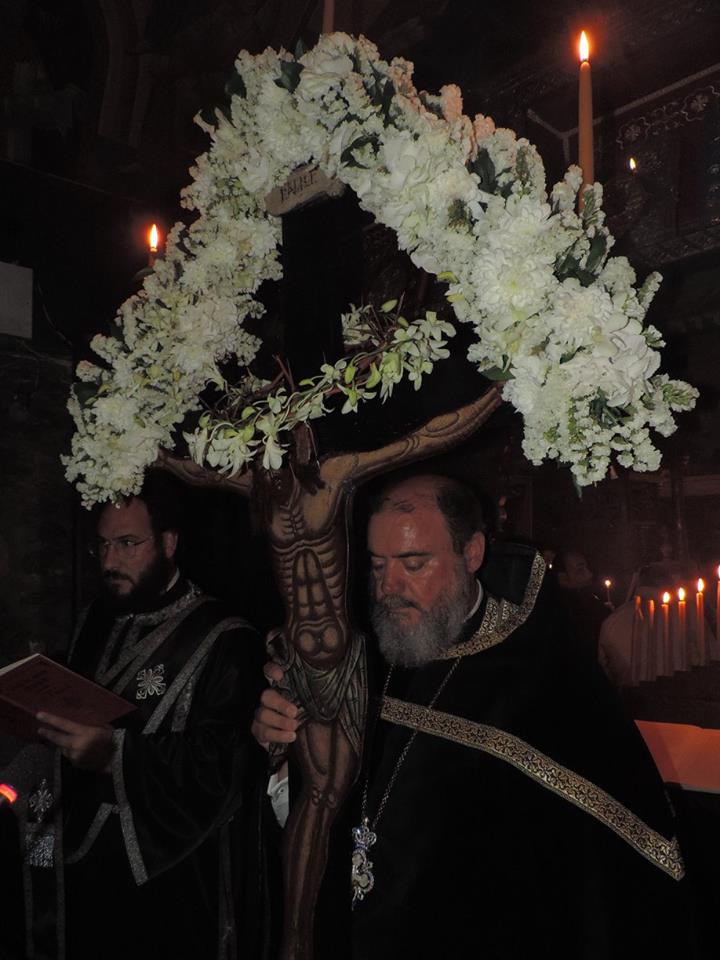
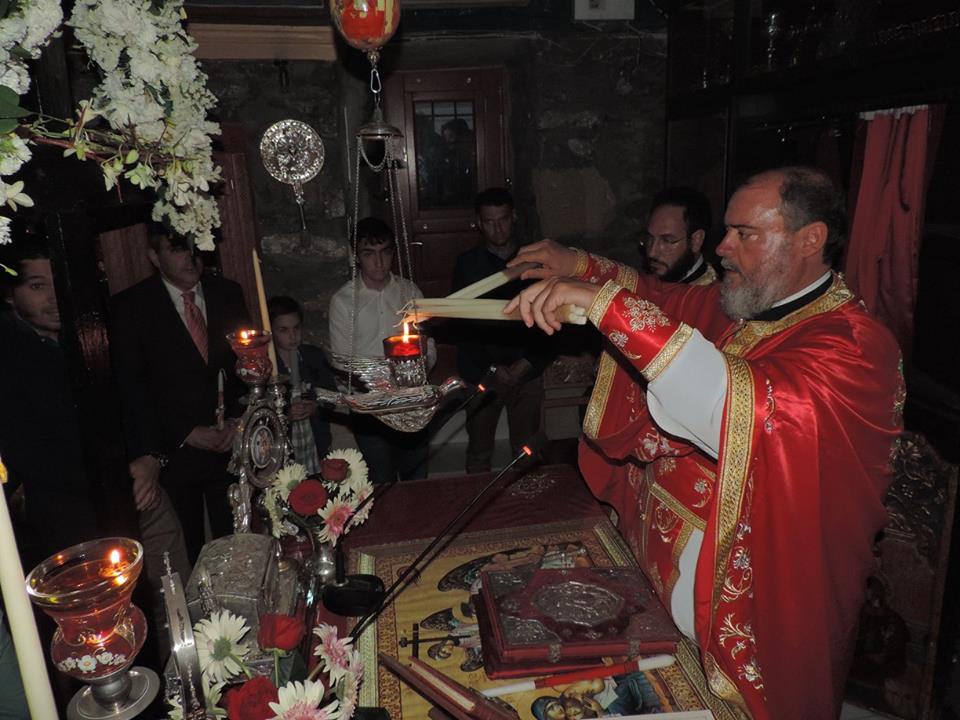
On the morning of Good Friday, the epitaph is decorated in the churches. First, the Great Hours are sung, containing psalms, tropes, Apostles, Gospels and Wishes. Then the Good Friday Vespers is sung and the Unfixing of the Crucified takes place. Subsequently, a cloth is placed in the Sacred Shroud, on which the Lord is embroidered or painted, dead. This cloth is called Epitaphios.
On the evening of the same day, the Orthro of Great Saturday is sung and the hymnology is related to the burial of the Lord by Joseph and Nicodemus and the descent of His soul into the dark realms of Hades.
During the sequence they are chanted in three stanzas (parts) the so-called Praises, little tropes very dear to the people, unknown poet. The most well-known are: "Life in the grave...", "It's worth growing up...", "Ai geneai passai..." and "Oh sweet Ear...".
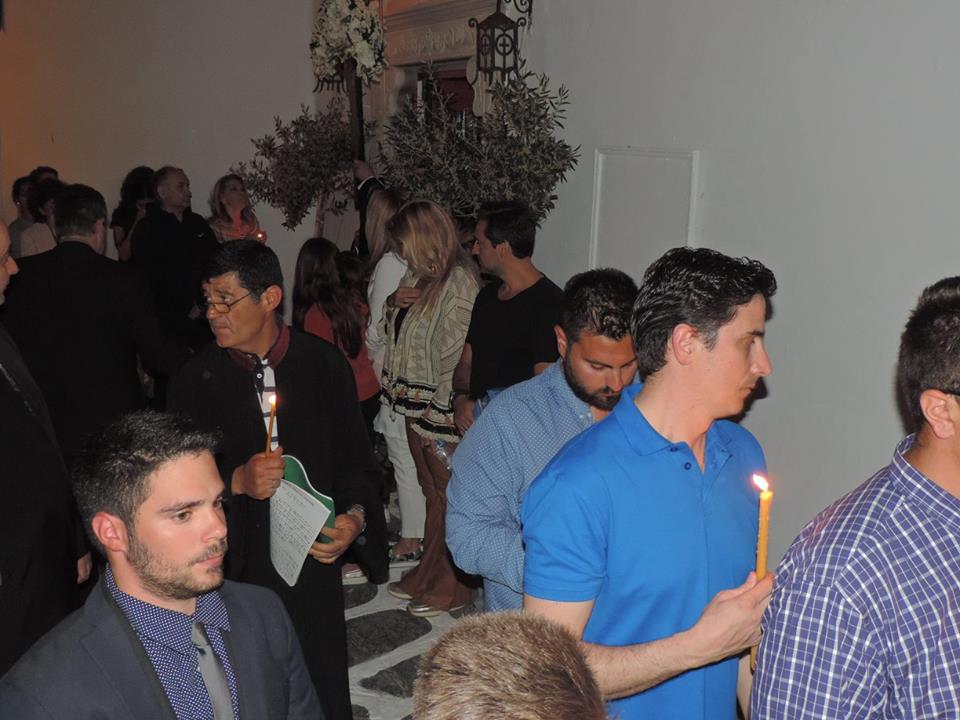
Then there is the Epitaph Tour, outside the church and within the boundaries of the Parish.
After the return of the Epitaph to the church, a passage from the Gospel of Matthew is read : Chief priests and Pharisees go to Pontius Pilate and ask him to seal the tomb, because they remember that the Lord in an abomination of his words had said that in three days he would rise again. Pilate gives them permission.
On Good Friday, many people drink vinegar, while in Crete, they boil snails and drink their juice, which is particularly bitter.
In Koroni they don't put anything in their mouths. also, in many villages the men do not engage in crafts and especially in nailing which refers to the manner of Christ's death.
In Skiathos and in those areas that follow the Agioreitiko standard, the procession of the Epitaph takes place in the early morning hours of Holy Saturday.
In Nafpaktos, the procession of the Epitaphion is combined with throwing fireworks in the port, in memory of the heroic attempt of the prankster Anemoyiannis to set fire to the Turkish flagship in this area.
In Athens, the housewives before the epitaph comes out, many years ago, they also swept the streets when the procession passed, they went out the doors with a tile, which had a burning charcoal with incense on it.
In Kios, on Good Friday when they turn the Epitaph, they stop at intersections and commemorate. The doors of their houses are also left open, for Divine Grace to enter. People go ahead of time and place dirt where the epitaph will stop. Once the function is finished, they go and take some of that soil and spread it around the house to kill the bedbugs.
In Sparta, when they turn the Epitaph, the candlelighter adorns him, who takes the candles and guards them. The other day, the priest puts them in a tray with the cross flowers and distributes them to the women. These flowers, women keep them as amulets and when a child gets sick they put some water and some cruciferous flowers on the coals and incense it.
In Mytilini, if the cycle ends, they "grab" the flowers, because they believe that when stolen they have more miraculous properties. "Christoloulouda" are saving them for good. With these they cure the headache, they make them amulets and those who travel calm the sea with them, according to tradition.
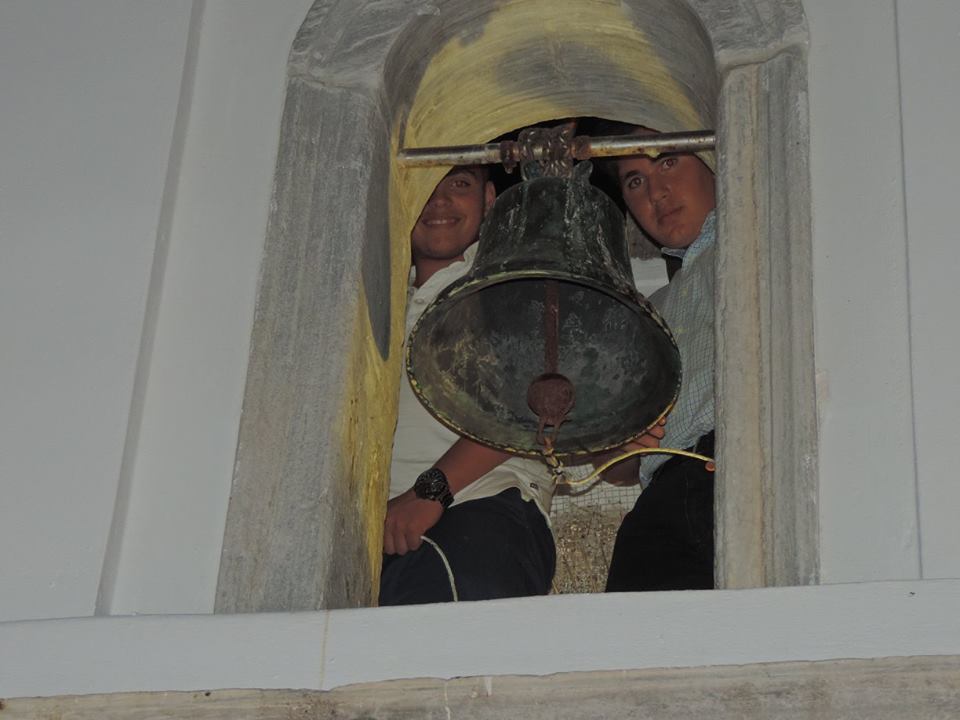
In Hydra there is the "custom of prayer". The Epitaph of Kamini goes into the sea and the Epitaph Sequence is read, creating an overwhelming atmosphere. This is done to bless the waters and pray for the sailors who travel, for quiet travels and a good return.
In Naxos, they don't kiss on Good Friday, because Judas betrayed Christ with his kiss, while not slaughtering, "for the blood of Christ".
In Amorgos, on Good Friday evening bread is offered, olives and fasting sweets to residents and visitors. The same night, during the procession of the Epitaph in the villages, the women, from the doors and windows of the houses, they are breaking the world with colognes and perfumes.
In Tinos on Good Friday, all the epitaphs together and of the Catholics meet at the Exedra of Chora , they sing together for a while and each one continues his mournful march towards the streets of the respective parish. The Epitaph of Agios Nikolaos of Tinos also enters the sea and the whole scene created by the torches, the burning cross, the sirens from the ships, the chanting and the thousands of devotees watching is very beautiful.
On the morning of Good Friday groups of children go from house to house singing the ominous "Black Sky Today", also known as "Fate of the Virgin Mary". In many areas of the country the girls of the team hold a wreath, woven with seasonal flowers, which they then deposit either in the Epitaph, or at the grave of a recently deceased parishioner. The Good Friday carols tend to disappear today.
In many regions of Greece that day, an effigy of Judas is made which is either burned or shot and then burned. Also on the same day, many believers visit the graves of relatives and friends or exhume the dead if the required time has passed.
Source : defencenet.gr
Diligence : NewsRoom Mykonos Ticker