Antonis Kafatos – Professor of Preventive Medicine and
Nutrition of the Medical School of the University of Crete.
was conducted in 609 παιδιά ἡλικίας 5 as 15,5 years from
Θεσσαλονίκη, the 12,1% of children and teenagers follow
πλήρη νηστεία.
κρέατος, dairy products and eggs, and in general
from consuming foods that burden the body,
every Wednesday and Friday, as well as in the fasts of
Χριστουγέννων (40 ἡμέρες- fish is allowed) and Easter
(48 ἡμέρες- fish is allowed on March 25 and
Palm Sunday), of the Holy Apostles (7 as 20 ἡμέρες-
fish is allowed) and the fifteenth of August (15 ἡμέρες
fish is allowed on the feast of his Transfiguration
Savior).

One of the important findings of the study, was that the fasting children, either all the days of the fast or less, they consume a significantly limited number of calories compared to those who never fast.

Note that saturated fats are all animal fats, as well as three vegetable fats: The
palm oil used by some fast food chains, cocoa fat, which is found in chocolates, and the fat of the Indian coconut.
"Kids who fast seem to make better food choices and get closer to the recommended daily intakes of most nutrients.
συστατικῶν, compared to those who do not fast at all, while their physicality is not affected
ανάπτυξη», says the Professor.
After families stopped cooking daily, children began to consume more often food - "junk", consequently their weight will increase. In the last 25 years in Greece, overweight and obese children have doubled and it is estimated that they weigh about three kilograms more than,what a decade ago. It is no coincidence that today in our country the 22,5% of the population is obese. The fasting, which is a basic element of the Greek Mediterranean diet, can, as the experts say, provide a solution to the problem of obesity in the healthiest way.
What should children take in daily?

As 1.500 (for children as 10 ἐτῶν) and on average 2.000 (for
teenagers as 14 ἐτῶν, according to gender, the height and the
δραστηριότητα).
Λίπη
As 50 γραμμάρια.
2-3 of years they must maintain the total daily intake of fat in 30%-35% of the calories they consume.
4-18 since the percentage must be limited to 25%-35%.
Most fats should come from sources
polyunsaturated and monounsaturated fatty acids, ὅπως
it's the fish, nuts, the olive oil, and yes
avoid saturated and trans fats.
Ἁλάτι
(One spoonful of salt is equal to 2.300 mg):
The first year: As 1 γραμμάριο, δηλαδή 400 mg νάτριο.
2-3 ἐτῶν: 2 γραμμάρια, 4-6 ἐτῶν: 3 γραμμάρια, 7-10 ἐτῶν: 5 γραμμάρια. No more oxidative stress.
The... definition of foods of animal origin from the
diet of those who follow the Orthodox fasting not
exhausts the organization. And that's because those who
νηστεύουν καταναλώνουν ἄλλα τρόφιμα ὑψηλῆς διατροφικῆς
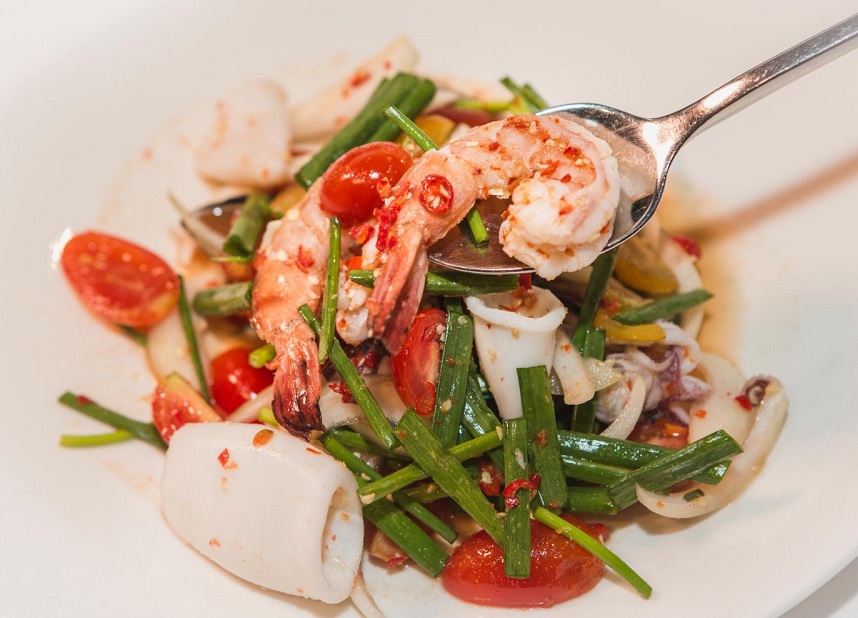
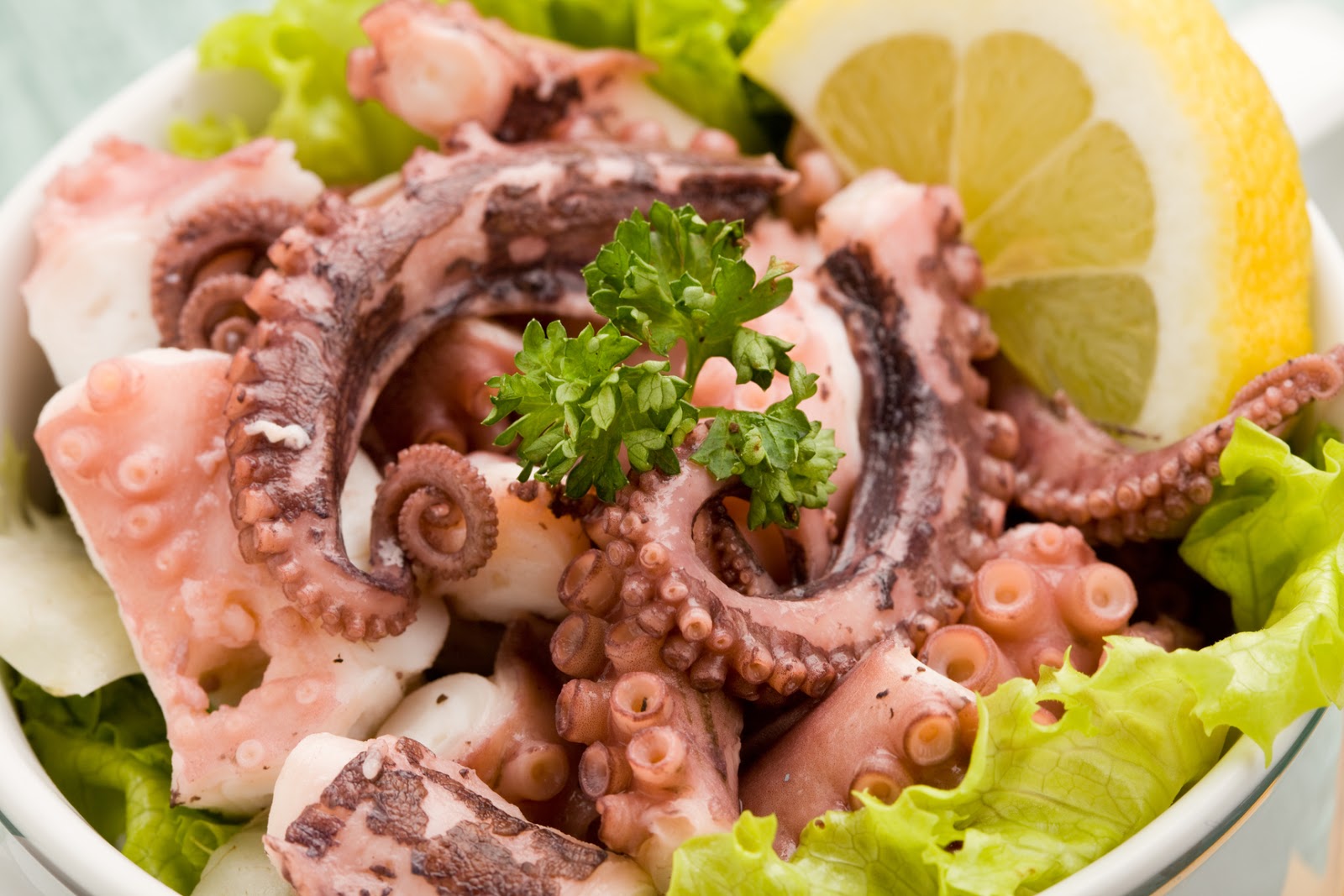
ἀξίας, such as seafood, oil and tahini.
According to investigations of the Department of Preventive Medicine and
of Nutrition of the University of Crete, Those who fast do not
ἔχουν σιδηροπενική ἀναιμία, while their total cholesterol
it is lower compared to those who do not fast.
oxidative stress, δηλαδή, as explained by Mr. Καφάτος,
"oxygen free radicals increase in the body
their, which are extremely toxic and harmful
damage to the cell membranes and DNA of the cells,
that is, they cause changes in the genome".
The experts are categorical: The Orthodox fast
is an important weapon in the fight against
obesity and the diseases that accompany it (ὑπέρταση,
ὑπερλιπιδαιμίες, σακχαρώδης διαβήτης, cerebrovascular and
καρδιακά ἐπεισόδια, cancer etc.).
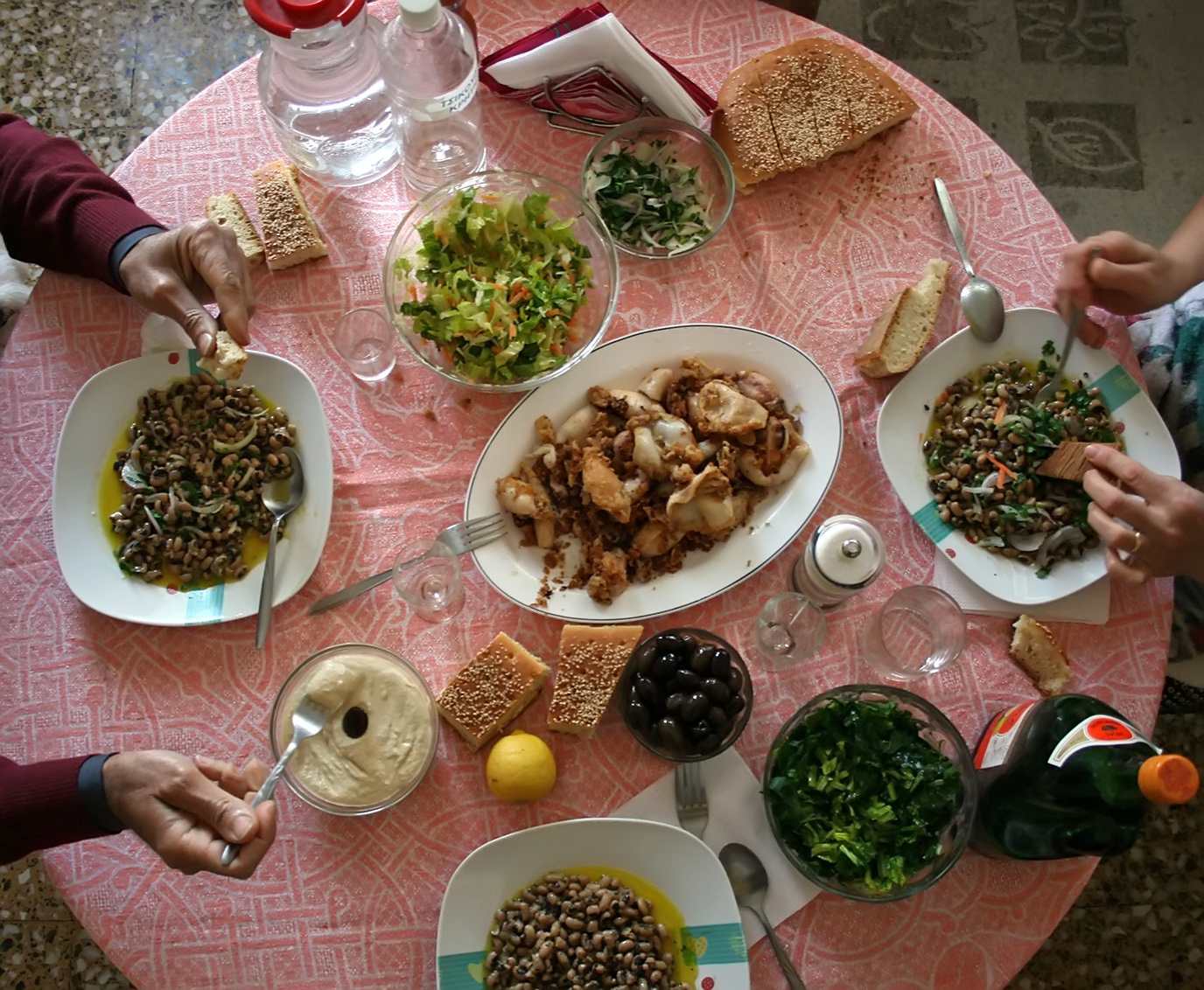
The basic rules
- Avoid frying seafood or fish
vegetables and the overconsumption of carbohydrates (ψωμιά,
spaghetti etc.). - Prefer olive oil to any other vegetable oil.
Add tahini and nuts to your diet, but in moderation because they get fat. - Make up for the lack of animal protein with legumes and seafood.
Do not skip protein intake, of vitamins
cluster B, calcium and iron. It won't work that way
αἰσθάνεστε κουρασμένοι.
The nutritional value
Ἐλαιόλαδο: It strengthens the defense against it
καρκίνου. Beneficial effects on metabolism
functions of the gastrointestinal tract.
Λαχανικά, greens and fruits: Beneficial for
the health of the digestive and gastrointestinal system.
Studies have shown that they reduce the chances
manifestation of colon and cardiovascular cancer
νοσημάτων. They also have antioxidant properties.
Ταχίνι: It also has anti-aging properties
ἀντιυπερτασικές ἰδιότητες. It helps to fight it
χοληστερόλης, in the immunization, in the prevention of
καταρράκτη, in the treatment of diabetes and
atherosclerosis and in the proper functioning of the liver!
Ξηροί καρποί: Περιέχουν ὑψηλές ποσότητες
ἀσβεστίου. Rich in polyunsaturated fatty acids,
πρωτεΐνες, ἰχνοστοιχεῖα, plant fibers and vitamins.
Θαλασσινά: Rich in vitamins, ω-3 fatty acids (beneficial for the cardiovascular system).